

Table of Contents
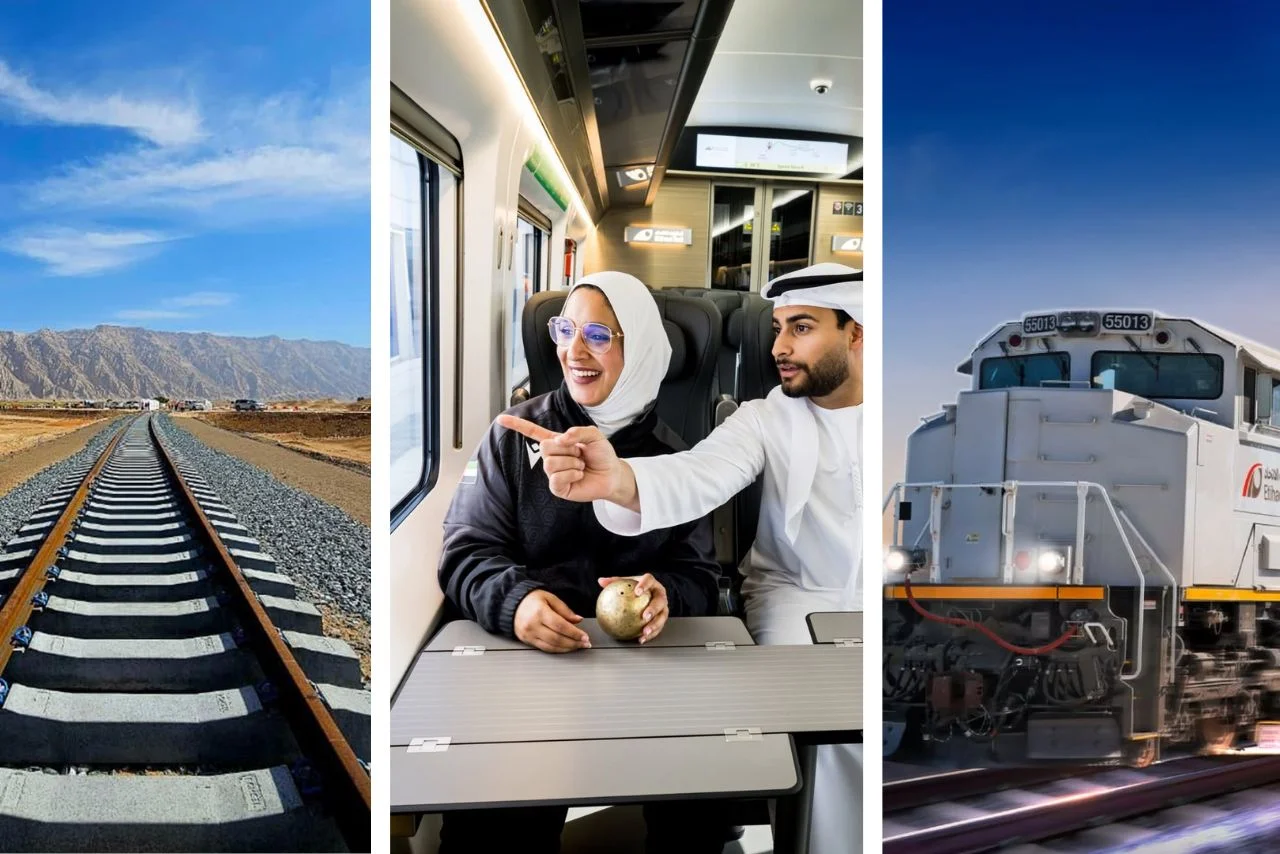
ToggleSoon, riding trains will change how people move around the UAE. Following long waits, passenger trips on Etihad Rail are finally beginning, linking 11 urban centers throughout each of the 7 emirates via the nation’s inaugural cross-country rail route.
Across 900 kilometers, trains will link big cities like Abu Dhabi, Dubai, and Sharjah, yet reach quieter areas too. Starting in Abu Dhabi, Dubai, and Fujairah, the service gives people a smoother ride than hours on highways. Though built for speed, it still slides through places to explore. Travel changes when rails replace tarmac stretches.
Travel across the UAE might soon feel different. Smooth links to buses and metros could make trips easier. Fast trains now move quietly between cities. Stations are built with clear signs and open spaces. People living here or just passing through may find new ways around. Routes stretch coast to coast, cutting hours off long drives. Each stop connects neighborhoods to wider networks.
Waiting times aim to stay short throughout the day. Boarding processes focus on speed without rushing. Information displays show updates in multiple languages. Trains run frequently but not nonstop. Seats offer space for bags and quiet rides. Journeys between major hubs take under two hours. Smaller stops allow access to growing areas. Services adjust based on when people travel most. Safety measures work behind the scenes every trip.
📍Recommended: Dubai Metro Gold Line: 18 Stations, Etihad Rail Link & Tourism – Here is What You Need to Understand
What Is Etihad Rail?
Running coast to desert, Etihad Rail links major hubs across the UAE into one unified line. Freight trains now move goods while people wait – their turn comes piece by piece starting in 2026. Nearly 900 kilometers long, it stretches through 7 Emirates like a metal river beneath sand and sun.
Part of a bigger plan, it connects local tracks to what will become a regional Gulf-wide chain. Fewer trucks on highways means quieter roads, cleaner air, and less tire noise under stars at night. Travel shifts shape – slower than flights maybe, but steady, grounded, without rush hour chaos.
Travel by train could change how people move across the nation, opening routes once dominated by cars and long bus rides. Instead of highways, eyes might soon follow rails cutting through open deserts, seaside stretches, and rocky highlands. Riding these tracks offers more than speed – it brings views that unfold slowly, naturally, without rush.
Why Etihad Rail Matters for Travelers
Highway drivers once ate up hours when moving across Abu Dhabi, Dubai, Sharjah, or Fujairah. Now, thanks to Etihad Rail’s new passenger service, schedules become easier to count on. Speeds hitting 200 km/h mean hopping between Emirates takes less time. Comfort improves too, aided by fresh designs inside each car. Journeys that felt long before now shrink, offering something smoother than most existing routes.
Most people think trains are just about getting around. Yet here, they might pull tourists toward places few ever visit. Reaching spots in Abu Dhabi’s west gets simpler now. Some corners of Sharjah and Fujairah open up too. Not every traveler sticks to downtown once the rails stretch further. New paths often lead to discoveries. Movement shifts when options grow.
Etihad Rail Routes: Where Will the Trains Go?
East of the desert, tracks reach toward Fujairah while beginning far inland at Al Sila, close to the Saudi line. Running its full stretch, the rail path stitches together key city hubs and local zones throughout the UAE. Eleven stops – each placed with purpose – form the backbone of the travel system meant for everyday riders.
Starting off, the initial passenger lines should target busy links between Abu Dhabi, Dubai, and Fujairah. Right now, these paths look set to cut journey durations sharply, along with linking smoothly into city transit networks. As more stops open step by step, the whole system could grow toward full national reach.
Complete List of Etihad Rail Stations
1. Mohammed Bin Zayed City, Abu Dhabi
Right where the city opens up, the Abu Dhabi station takes its place among the main hubs of the network. Positioned on purpose, it supports people moving in or out of the capital, whether they live here or are just passing through.
From this spot, links to local transit flow naturally, making transfers across town feel almost effortless. Passengers arriving or leaving will find their way into wider journeys across the UAE, stepping onto trains that stretch beyond the skyline.
2. Jumeirah Golf Estates, Dubai
Right where the tracks meet fairway views – Jumeirah Golf Estates takes center stage as home to Dubai’s primary Etihad Rail hub.
Nestled close to neighborhoods and business zones, it slips neatly into the city’s wider transit flow. Travelers heading across the Emirates may find their rhythm here, moving easily between destinations.
3. University City, Sharjah
Out near the cluster of colleges and homes called University City, Sharjah’s stop takes shape. Sitting right there gives riders – students, workers, even guests – a smooth way to move across emirate lines.
Linking places better opens doors, whether someone studies or works. Getting around more easily could improve how people reach classrooms or meetings.
4. Al Hilal Area, Fujairah
Eastward movement gains a new starting point with the Fujairah station. In Al Hilal, travelers find themselves closer to dramatic landscapes without long drives. Mountains rise nearby, shorelines stretch out, divers plan trips – this stop links them all.
Reaching the quieter side of the country becomes easier now. Fewer barriers mean more visits, possibly changing how people explore the region.
5. Al Sila
Right by the edge of Saudi Arabia, Al Sila links the west in meaningful ways. Because it exists, getting around the area becomes more practical for many.
Down the line, it fits into wider rail goals shared among GCC nations. People living in Abu Dhabi’s western parts now have another way to move.
6. Al Dhannah
One day soon, Al Dhannah may draw attention as a key point across Abu Dhabi’s western stretch. Not just locals but those traveling for work might find it useful – opening doors for fresh interest in local travel and commerce.
With easier access, people might begin wandering further into this quieter side of the emirate.
7. Al Mirfa
Out by the water, where nets dry in the sun and boats rock slowly, a new stop rises on steel tracks. This spot, called Al Mirfa, opens doors to quiet shores once reached only by long drives. Travel gets quicker for those who live here, linking them straight to bustling city hubs across the UAE.
Not just convenience, it pulls visitors toward traditions kept alive through generations of fishers. Reaching farther than past lines dared, the route stretches into places maps once ignored. Movement shifts, quietly, beyond towers and traffic. Connection grows where few expected.
8. Madinat Zayed
Home to government offices and busy marketplaces, Madinat Zayed holds steady as a hub in Al Dhafra.
With trains soon pulling in, trips across the UAE may feel shorter, opening smoother paths for locals and guests alike. Growth in the area could gain momentum once the tracks link up.
9. Mezaira’a
Near the Liwa area, Mezira’a brings train service to a unique stretch of the UAE desert. Travelers keen on dunes, heritage sites, or open-air exploration might find it especially convenient. The connection gets stronger for nearby residents, too.
10. Al Faya
Out near Al Faya, things link up in a way that ties emirate routes together naturally. Travelers heading across central to eastern parts of the UAE might find movement easier once the station opens. Because it sits where it does, the network shows how Etihad Rail aims to reach nearly every corner of the country.
11. Al Dhaid
Out here in Al Dhaid, fields stretch wide under open skies, part of Sharjah’s green heart. Getting there should feel less far once the new station opens up routes across the region. Those curious about life beyond high-rises might linger longer at this quiet corner of the country. Reaching it just got woven into daily movement through the emirate.
Expected Travel Times
Traveling by Etihad Rail cuts down on time on long trips. From Abu Dhabi to Dubai might only last about 57 minutes, based on present estimates. Instead of driving, people may get from Abu Dhabi to Fujairah in close to 100 minutes. This route promises steadier timing compared to cars on highways.
Most people heading to work or meetings find the train saves time across empires. Skipping jammed roads helps, especially when seats are roomy and views steady through the window. A smooth ride turns long distances into quiet moments – some nap, others check messages. Comfort matters just as much as speed for those moving between regions in one stretch.
📍Recommended: This is the ultimate Dubai Metro Guide 2025: Operating Hours, Nol Cards, Gold Cabins, Travel Tips and More
What Will the Trains Be Like?
Spacious seats come standard, along with Wi-Fi and charging spots scattered throughout. Though built for around four hundred riders, room stays generous across varied ticket tiers. Comfort leads the design, matching global benchmarks without chasing trends. Modern touches show up in lighting, airflow, plus ease of movement on board. Each cabin balances function and space, aiming steadily at dependability over flash.
Travel comfort draws inspiration from high-speed trains across Europe and Asia. Cabins stay hushed, seats feel roomy, while service moves smoothly through the car. Enjoyment comes easily on trips made for business or relaxation alike. The pace stays steady, the ride keeps calm, distractions fade into the background.
Integration with UAE Public Transport
One big plus of the Etihad Rail passenger route? It lines up with current transit lines across cities. Getting off the train could mean stepping right into a metro station, hopping on a bus, catching a taxi, or finding another nearby ride. Smooth links like these fix the common problem of getting from the station to your actual destination – something long trips usually struggle with.
Smart ticketing might soon connect different transit types across the UAE. Moving between trains, buses, or trams could feel smoother because of it. Locals may find daily commutes easier. Visitors are likely to experience less hassle when exploring new areas. Getting around by rail could turn into a go-to option for many.
How Etihad Rail Could Change Tourism in the UAE
Most trips used to stick close to big cities. Now trains might pull attention toward quieter spots beyond Abu Dhabi and Dubai. Fujairah could see more foot traffic. So might Al Dhaid. Or places like Al Mirfa, tucked away from main roads. The Liwa area stands to gain too. Better links often bring more guests. Once the rails reach there, getting around takes less effort. No need for hired vehicles anymore. Jumping between Emirates feels simpler. Plans can shift faster when transport opens up.
Longer visits might become more common now that getting around is easier. Rather than sticking to just a couple of cities, travelers can take their time seeing different parts of the country. Coastal towns open up as real options, along with deserts stretching far beyond city edges. Mountain views appear on itineraries where they once seemed too distant. Cultural sites spread across the UAE gain new attention simply because reaching them feels less like an effort. Movement shapes experience, quietly shifting what seems possible during a single journey.
More than just tracks and stops, Etihad Rail shapes how movement happens in the UAE. A fresh era of journeying emerges as schedules shift toward speed and ease. Eleven future hubs dot the landscape, linking cities once separated by long drives. Trains arrive sleek, quiet, built for comfort without fuss.
Connections to buses and metros flow smoothly, cutting confusion. By 2026, when seats open to the public, daily commutes may feel entirely different. Riding through deserts and towns becomes ordinary, yet transformed.
FAQs About Etihad Rail
1. When will the Etihad Rail passenger service launch in the UAE?
The first phase of the Etihad Rail passenger service is expected to begin operations in 2026, marking the launch of the UAE’s first nationwide passenger railway network. Initially, key stations in Abu Dhabi, Dubai, and Fujairah will become operational before the network expands further. Once fully operational, the railway will connect 11 cities and towns across all seven emirates, offering residents and tourists a faster and more sustainable way to travel throughout the country.
2. Which cities and emirates will be connected by Etihad Rail?
The Etihad Rail network will span approximately 900 kilometers and connect major destinations across the UAE. Planned stops include Abu Dhabi, Dubai, Sharjah, Fujairah, Al Sila, Al Dhannah, Al Mirfa, Madinat Zayed, Mezaira’a, Al Faya, and Al Dhaid. By linking urban centers with smaller regional destinations, the railway will improve accessibility, support tourism, and make inter-emirate travel more convenient than ever before.
3. How fast will Etihad Rail passenger trains be?
Etihad Rail passenger trains are expected to operate at speeds of up to 200 km/h, significantly reducing travel times between major cities. For example, the journey between Abu Dhabi and Dubai is expected to take around 57 minutes, while Abu Dhabi to Fujairah could take approximately 100 minutes. These faster travel times will provide a practical alternative to road transport, especially for daily commuters and business travelers looking to avoid highway traffic.
4. Where will the main Etihad Rail stations be located?
Some of the most important Etihad Rail stations will be located in Mohammed Bin Zayed City in Abu Dhabi, Jumeirah Golf Estates in Dubai, University City in Sharjah, and the Al Hilal area in Fujairah. These stations are being strategically developed near residential, commercial, and transportation hubs to ensure seamless connectivity. Modern facilities, digital ticketing systems, waiting lounges, and easy access to public transport are expected to enhance the passenger experience.
5. How will Etihad Rail benefit tourists visiting the UAE?
For tourists, Etihad Rail will make exploring multiple emirates much easier without relying on rental cars or long bus journeys. Travelers will be able to move quickly between major attractions in Abu Dhabi, Dubai, Sharjah, and Fujairah while also accessing lesser-known destinations such as Al Mirfa and the Liwa region. This improved connectivity is expected to encourage multi-city itineraries and help visitors discover a wider range of cultural, coastal, and desert experiences across the UAE.
6. Will Etihad Rail connect with other public transport systems?
Yes, one of the biggest advantages of the project is its planned integration with existing public transportation networks. Passengers will be able to connect easily with metro systems, buses, taxis, and other mobility services at key stations. This seamless connectivity will help reduce travel time and simplify journeys from start to finish, making rail travel a convenient option for both residents and visitors exploring different parts of the UAE.
7. What facilities can passengers expect on Etihad Rail trains?
The upcoming passenger trains are being designed to offer a comfortable and modern travel experience. Travelers can expect spacious seating, onboard Wi-Fi, charging points, digital information displays, luggage storage areas, and climate-controlled cabins. The trains are also expected to feature different seating classes to accommodate various budgets and travel preferences. These amenities will make long-distance rail journeys more enjoyable and position Etihad Rail among the region’s most advanced transportation systems.
8. Why is Etihad Rail considered a game-changer for the UAE?
Etihad Rail is more than just a transportation project; it is a major infrastructure investment that will reshape how people travel across the country. By reducing dependence on road transport, improving regional connectivity, and supporting economic growth, the railway is expected to benefit residents, businesses, and the tourism sector alike. Its ability to connect all seven emirates through a modern rail network represents a significant step forward in the UAE’s long-term vision for sustainable and efficient transportation.
Explore More Dubai Stays & Travel Guides
1. Looking for family hotels near DIFC?
Explore top family-friendly hotels near Financial Centre Metro Dubai with comfortable stays and easy city access.
2. Need affordable stays near Al Nahda?
Discover budget-friendly hotels in Al Nahda Dubai offering great airport connectivity and metro convenience.
3. Searching for cheap JLT hotels?
Check the best budget hotels in JLT Dubai for affordable stays near metro stations.
4. Curious about Burj Khalifa metro updates?
Explore the latest details about Dubai Metro expansion plans near Burj Khalifa and Dubai Mall.
5. Planning a DIFC family stay?
Discover the best family hotels near Financial Centre Metro Dubai for a convenient 2026 visit.


