

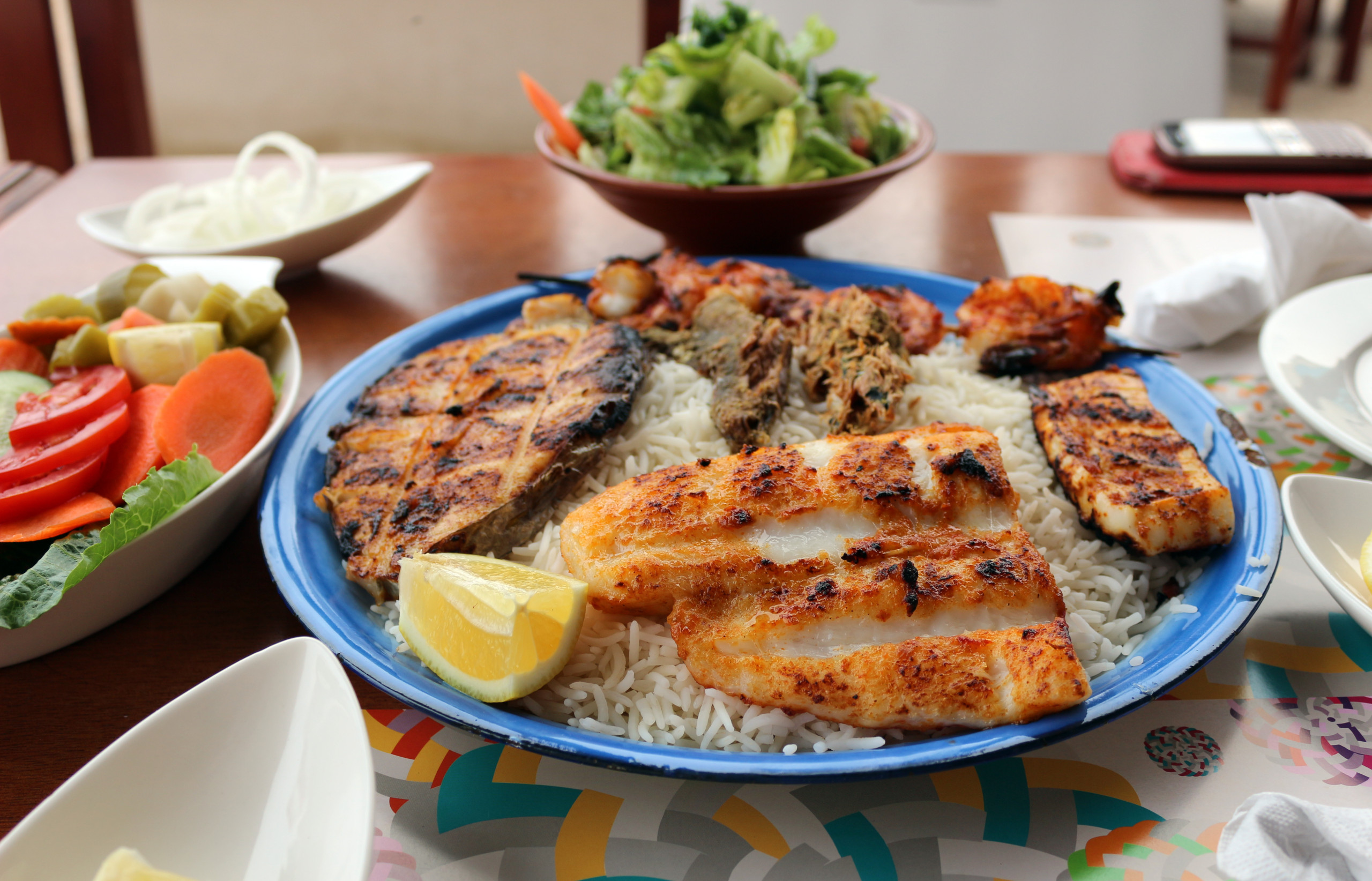
Let’s get the obvious question out of the way: yes, Dubai can be expensive. It can also be extraordinarily cheap — sometimes both, on the same street, within five minutes of each other.
Tourists walk past a Pakistani dhaba in Deira — the kind of place where AED 25 gets you slow-cooked karahi, fresh naan, and a chai — to pay AED 180 for a hotel breakfast buffet three blocks away. Neither choice is wrong. But understanding why that gap exists, and when it’s worth crossing it, is what separates a good Dubai food experience from an overpriced one.
This is a complete Dubai dining guide covering the full cost of dining in Dubai in 2026 — what breakfast, lunch, dinner, and fine dining actually cost, broken down by neighbourhood, spending tier, and meal type. It also includes what most guides skip — the hidden fees that quietly inflate every bill, how Friday brunch in Dubai compares on value to dinner, what alcohol costs at licensed venues, and how Dubai restaurant prices 2026 compare to London, New York, and Singapore. Moreover, this guide will help you understand the cost to eat out in dubai. All prices are in UAE Dirhams. AED 1 is roughly USD 0.27, GBP 0.21, or INR 22.5.
Dubai Restaurant Price Guide 2026: Full Meal Cost Snapshot
Before going deep, here’s the lay of the land. These are realistic per-person estimates in AED — not best-case minimums, but what you’d actually spend across different types of venues.
| Meal Type | Budget | Mid-Range | Upscale/Hotel |
| ☕ Breakfast – Local Cafe | AED 10–35 | AED 60–120 | AED 120–350+ |
| 🥗 Lunch – Casual Dining | AED 25–50 | AED 55–120 | AED 120–300+ |
| 🍽 Dinner – Restaurant | AED 30–60 | AED 60–180 | AED 250–600+ |
| 🥂 Friday Brunch | AED 99–150 | AED 150–299 | AED 300–600+ |
| ✨ Fine Dining | AED 250–500 | AED 500–1200 | AED 1200–3000+ |
💡 AED 1 ≈ USD 0.27 | Prices exclude 5% VAT + 10% service charge where applicable
Whether you’re asking how much does food cost in Dubai before a trip, or researching the cost of food in Dubai more broadly, comparing Dubai food prices 2026 with other cities, or working out a daily food budget in Dubai, the answer is always the same: it depends entirely on where you eat. Food prices in Dubai span a wider range than almost any other global city — from AED 10 street food in Deira to AED 3,000 tasting menus in DIFC. Dubai food cost for a budget traveller runs AED 75–130 per day. A mid-range Dubai meal cost for a sit-down lunch or dinner typically falls between AED 60–180 per person. Use this Dubai dining guide to find your level.
Breakfast Cost in Dubai: What You’ll Actually Pay in 2026
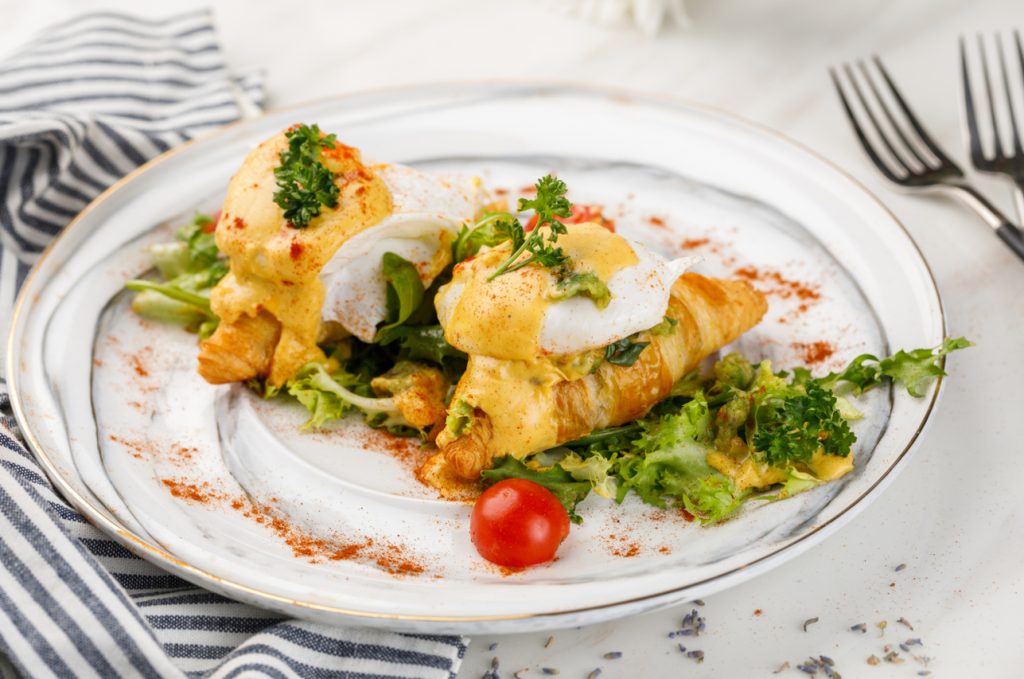
Mornings in Dubai split into two very different worlds. There’s the city that wakes up at 5 AM — labourers, dhaba regulars, the karak chai crowd in Naif and Al Ras — and the city that wakes up at 9 AM wanting a flat white and avocado toast somewhere with exposed brick and mood lighting. Both exist. The prices couldn’t be more different.
Budget Breakfast in Dubai: AED 10–35
Deira and Bur Dubai are where you find Dubai’s real breakfast culture — not the Instagram version, the actual one. Restaurants in Deira and restaurants in Bur Dubai offer some of the cheapest food in Dubai, yet the quality is consistently high. A paratha roll stuffed with egg and green chutney costs AED 10. Foul medames with warm pita and a glass of fresh juice runs AED 18. Manakish — Emirati flatbread baked with za’atar or cheese — is one of the genuinely great cheap breakfasts anywhere in the region, available for AED 12. These prices hold because the people eating here are residents, not visitors, and the market reflects that.
- Karak chai + rusk or bread: AED 5–10
- Egg sandwich or paratha roll from a local stall: AED 8–15
- Manakish with za’atar, cheese, or minced meat: AED 10–20
- Foul medames with pita and fresh juice: AED 15–25
- Full South Asian cafeteria breakfast (eggs, paratha, chai): AED 20–35
- Falafel wrap, freshly made: AED 8–15
Don’t write off this tier because of the setting. Some of the most flavourful food in Dubai is served on plastic tables under fluorescent lights, and the people eating there know it.
Mid-Range Breakfast in Dubai: AED 40–120
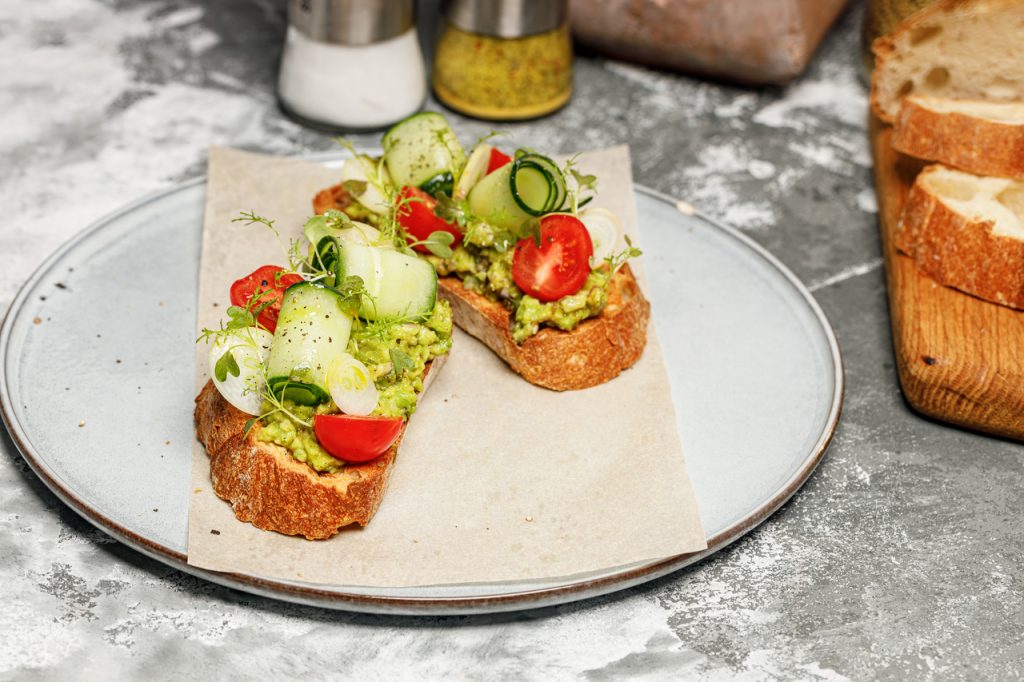
Cross into Business Bay, Dubai Marina, or anywhere near JBR, and the price of breakfast roughly triples. You’re paying for the fit-out, the playlist, and the cortado that arrives with a small piece of dark chocolate on the saucer. Whether that trade-off makes sense depends entirely on your morning.
- Eggs Benedict or smashed avocado toast: AED 55–90
- Shakshuka (baked eggs in spiced tomato): AED 45–70
- Acai bowl + cold brew: AED 65–95
- Full English or American breakfast at a hotel cafe: AED 80–120
- Specialty coffee — flat white, cortado, oat latte: AED 22–35
- Waffle or pancake stack: AED 55–85
Dubai’s specialty coffee scene has genuinely matured. Places like % Arabica, Nightjar, and Mokha 1450 are worth visiting on their own terms — not just as backdrop for a morning meeting.
Hotel Breakfast Buffet Cost in Dubai: AED 120–350+
Hotel breakfast in Dubai is a category of its own. A proper five-star hotel buffet in Dubai — live egg station, cold cuts, Arabic mezze, fresh-pressed juices, a pastry section that would embarrass most standalone bakeries — is genuinely hard to replicate at home. Whether the price is justified depends on how long you linger and how much coffee you drink.
- Hotel breakfast Dubai four-star buffets: AED 120–180 per person
- Five-star hotel buffet Dubai (JW Marriott, Hyatt Regency, Marriott Al Jaddaf): AED 180–250
- Iconic hotel breakfast (Burj Al Arab, Atlantis, Four Seasons, Jumeirah): AED 250–350+
Worth noting: the buffets at Atlantis and the Jumeirah properties are a step above most in this tier. The Burj Al Arab breakfast is more about the experience of being inside the building than the food itself — which is good, just not transcendent.
💡 If your room rate includes breakfast, use it. The buffet value at most four and five-star Dubai properties sits between AED 150–200 per person. Skipping it to save time means leaving real money on the table — especially if budget dining Dubai style is your priority elsewhere in the day.
Lunch Cost in Dubai: Best-Value Meals by Area and Budget
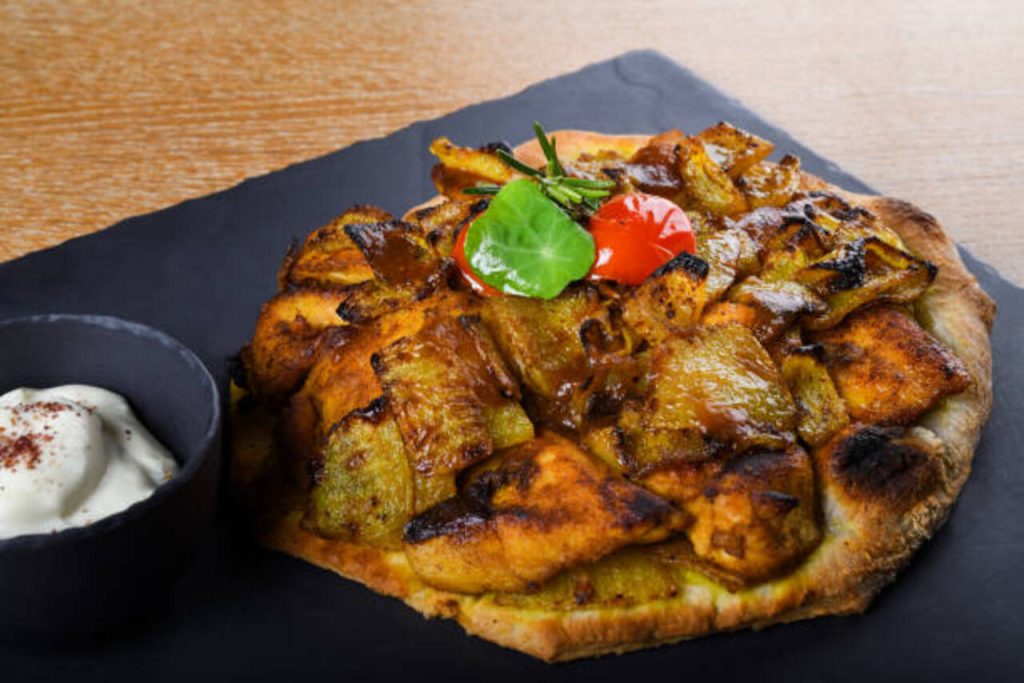
Lunch is where Dubai quietly rewards the people paying attention. The business lunch culture here is real and genuinely useful — restaurants that would cost AED 400 per head at dinner routinely offer two-course set menus at lunch for AED 100–150. Same kitchen. Same chef. Same tablecloths. Just without the sunset premium baked into the pricing.
That said, lunch is also where the neighbourhood divide becomes most visible. Cheap food in Dubai is almost always found in residential areas away from the tourist belt. A rice plate in Karama costs AED 22. The same quality of food — not better, just differently packaged — costs AED 90 at a cafe in Downtown. Know where you are and plan accordingly.
Cheap Lunch in Dubai: AED 20–55
Bu Qtair in Jumeirah is the single best argument for eating where locals eat. It’s a rough-and-ready fish shack near the old fishing harbour — CNN once called it the best fish restaurant in Dubai — and a full meal of grilled hammour with rice and salad runs AED 50. There’s no reservation system. You queue, you eat, you leave. It’s exceptional. If you’re looking for cheap restaurants in Dubai that don’t compromise on flavour, the older residential neighbourhoods are where you’ll find them.
- Shawarma Dubai style (chicken or meat) from a local shop: AED 10–20
- Mandi or biryani at a Pakistani or Indian eatery: AED 20–40
- Grilled fish at Bu Qtair, Jumeirah: AED 40–60
- Filipino, Sri Lankan, or Bangladeshi set lunch plate: AED 20–35
- McDonald’s / KFC / Shake Shack combo: AED 25–45
- Hummus + grilled meats at a Lebanese cafeteria: AED 30–55
- Food truck near Dubai beaches and parks: AED 30–55
Mid-Range Lunch Restaurants in Dubai: AED 60–180
Mid-range restaurants in Dubai are where most residents with office jobs eat on weekdays — casual dining that’s good enough to actually enjoy, fast enough to finish in an hour, and priced in a way that doesn’t require a budget conversation. Affordable restaurants in Dubai’s business districts like DIFC and Business Bay often surprise visitors with the quality they deliver at this price point. Affordable restaurants Dubai’s neighbourhood zones, though, are where the real value lives.
- Lebanese restaurant (fattoush, mezze, mixed grills, fresh bread): AED 70–120 per person
- Indian restaurant lunch in Dubai (thali or curry + naan): AED 55–95
- Casual Italian or Mediterranean bistro: AED 75–140
- Japanese casual dining (sushi rolls, ramen, gyoza): AED 80–160
- Cafe-style lunch (salad + sandwich + juice): AED 65–110
- Turkish or Levantine grill restaurant: AED 70–130
Business Lunch & Set Menus in Dubai: AED 100–275
This is the tip most guides bury or miss entirely. Gaia in DIFC — one of Dubai’s most consistently excellent restaurants — runs a weekday set lunch where two courses cost AED 120–180. At dinner, you’re looking at AED 350+ per person before drinks. The food coming out of the kitchen is identical. The bill is not. Roka and Trèsind (now at One&Only Royal Mirage in Dubai Marina) run comparable lunch programmes, as do many of DIFC’s other resident kitchens. If you want to experience Dubai’s serious restaurant scene without the serious restaurant bill, book lunch on a Tuesday.
- Gaia DIFC – Greek-Mediterranean set lunch: AED 120–180 for two courses
- Roka DIFC – Japanese robatayaki lunch: AED 150–220
- Bull & Bear, Waldorf Astoria DIFC – 30% off for UAE residents at lunch
- IndyaCo, Conrad Dubai, Sheikh Zayed Rd – five-course Indian tasting lunch: AED 275
- DIFC Restaurant Week (annual, May) – 3-course fine dining menus: AED 250
💡 Before writing off a restaurant as too expensive for dinner, check if they run a business lunch. More than 60% of Dubai’s upscale restaurants do — at 30–50% below evening prices.
Dinner Cost in Dubai: How Location Affects What You Pay
Here’s the thing about dinner in Dubai that nobody quite says plainly: you are not always paying for better food when you pay more. You are paying for a better address. The gap between a meal in Deira and a meal in Downtown is not a gap in kitchen quality — it’s a gap in real estate costs, fit-out investment, and the premium that comes with a view of the Burj Khalifa. Restaurants in Downtown Dubai, restaurants in DIFC, and restaurants in Palm Jumeirah carry that premium in every line item. Some of that is worth paying for. A lot of it isn’t.
Cheap Dinner in Dubai: AED 30–100
The streets around Karama Shopping Complex, and the Al Mankhool area nearby, taken together represent some of the most reliable cheap eating in any major city in the world. Iranian, Indian, Pakistani, Filipino, Sri Lankan — all within a five-minute walk, all cooked fresh, all priced for people spending their own money. A full Iranian dinner of chelow kebab, rice, salad, and doogh (yoghurt drink) costs AED 45–65 per person and is very good.
- Arabic mezze spread (hummus, baba ganoush, grills) for two: AED 60–100
- Iranian rice + stew at a Deira or Karama restaurant: AED 35–70 per person
- South Indian thali or rice meals in Bur Dubai: AED 25–55
- Neighbourhood Italian (pizza, pasta): AED 50–90 per person
- Filipino or Sri Lankan rice and curry: AED 30–65
- Pakistani chapli kebab + naan at a local dhaba: AED 30–55
Mid-Range Dinner Restaurants in Dubai: AED 100–300
Most of Dubai’s restaurant footfall lands here. Mid-range restaurants Dubai visitors choose for a regular night out cover a solid meal at a named restaurant without requiring a financial conversation beforehand. Restaurants in JBR are good for this: waterfront, well-run, consistent. Dubai Marina restaurants have strong options too, particularly if you book slightly off the main strip. Restaurants in Business Bay have improved considerably over the last two years and now have genuine options at this price point that aren’t trying to be something they’re not.
- Contemporary Asian restaurant in Dubai Marina: AED 120–200 per person
- Steakhouse in Business Bay: AED 150–280 per person
- Rooftop restaurant Dubai with city views: AED 150–300 including drinks
- Lebanese upscale dining (Em Sherif, Zahr El-Laymoun): AED 120–220
- Waterfront dinner at JBR The Walk: AED 120–220
- Dhow cruise dinner Dubai with live entertainment: AED 150–400 per person
Upscale Dinner in Dubai: AED 250–600+
At this level you’re at Dubai’s premium restaurant addresses. Upscale new restaurants Dubai’s DIFC, Downtown, and Palm Jumeirah zones are home to, and the prices include the address. Upscale restaurants in Dubai — particularly luxury dining experiences in Palm Jumeirah hotels and DIFC — factor the postcode into every dish. Nobu at Atlantis is reliably excellent — the black cod miso justifies the AED 450–500 per person you’ll spend. Zuma Dubai in DIFC remains the city’s most consistently packed upscale restaurant for a reason: the food is genuinely good and the energy in the room is real. STAY by Yannick Alléno on the Palm is the most technically accomplished kitchen at this tier, and probably the most underrated.
- Downtown Dubai or DIFC restaurant dinner: AED 250–500 per person food only
- Palm Jumeirah hotel restaurant dinner: AED 300–600
- Celebrity chef restaurants — Nobu, Zuma, Bread Street Kitchen: AED 400–700
- STAY by Yannick Alléno, One&Only Palm: AED 450–750
- Sunset dinner at Pierchic or Cé La Vi Dubai: AED 400–700
Friday Brunch Cost in Dubai 2026: Best Value Brunches by Price
Friday brunch in Dubai is not brunch in the way London or New York understands it. It’s a four-hour event, a social centrepiece of the week, and — when you pick the right one — some of the best food value in the city. The numbers are genuinely interesting: a Dubai brunch at a hotel like Westin or Atlantis that includes unlimited food and house beverages for AED 395 often delivers more variety, better quality, and a significantly better afternoon than a Saturday dinner at the same venue for AED 350 per person.
Friday brunch Dubai packages typically run 12:30 PM to 4 PM at most venues. Brunch cost in Dubai splits into two tiers: soft drinks included (usually AED 99–299) and house beverages included (AED 249–599). The soft drinks packages at good venues are often excellent value — don’t assume you need the alcohol option to get a great brunch.
| Venue | Area | Package | Price/Person | Highlight |
| Wavehouse, Atlantis | The Palm | Soft drinks incl. | AED 149–199 | Beach + pool access |
| Cé La Vi | Business Bay | Soft drinks incl. | AED 195–275 | Rooftop skyline views |
| Meylas | Downtown | Soft drinks incl. | AED 175–250 | Arabian flavours |
| Bubbalicious | Westin Mina Seyahi | Alcohol incl. | AED 395–495 | Dubai’s longest-running brunch |
| Saffron Brunch | Atlantis The Palm | Alcohol incl. | AED 499–599 | Lavish seafood spread |
| Maiden Shanghai | JW Marriott, Business Bay | Alcohol incl. | AED 299–399 | Dim sum + mains |
A few honest opinions: Bubbalicious at Westin Mina Seyahi has been running for years and has earned its reputation — the seafood section alone justifies the price. Saffron at Atlantis is the most lavish option and probably the most Instagram-documented brunch in the city. Meylas in Downtown is the pick if you want Arabic flavours done properly in a beautiful space without paying Palm prices. Cé La Vi in Business Bay is the best option if you want a rooftop setting with proper skyline views without committing to an alcohol package.
💡 Book Friday brunches by Tuesday at the latest. The good ones especially alcohol-inclusive packages at well-known hotels fill up midweek. Showing up hoping for a walk-in rarely works.
Fine Dining Cost in Dubai 2026: Michelin Restaurants, Tasting Menus & Prices
Fine dining in Dubai has a reputation problem — not because the food is bad, but because people assume the spectacle is compensating for the cooking. In some places, that’s true. In more of them than you’d expect, it isn’t.
The Michelin Guide arrived in Dubai in 2022 with 11 Michelin star Dubai restaurants. By 2026, the count of Michelin star Dubai venues has grown to approximately 20, and a Michelin restaurant Dubai visit has become a realistic aspiration for food-focused visitors rather than just the ultra-wealthy. Tresind Studio, Hoseki, and a handful of others are producing food that would draw serious attention in any city in the world. The difference is that here, the food comes inside a setting — an underwater aquarium, a 124th-floor observation deck, a candlelit pier stretching over the Arabian Gulf — that most kitchens can’t compete with purely on cuisine alone. You’re buying both things at once. It’s worth deciding upfront which one you’re actually there for.
| Restaurant | Location | Cuisine | Cost/Person | Known For |
| Atmosphere | Burj Khalifa, Downtown | Contemporary | AED 400–800+ | Iconic views |
| Al Mahara | Burj Al Arab, Jumeirah | Seafood | AED 900+ (set menu) | Underwater aquarium |
| Nobu Dubai | Atlantis The Palm | Japanese-Peruvian | AED 400–700 | Celebrity chef |
| Zuma Dubai | DIFC | Japanese Robatayaki | AED 350–700 | Most popular upscale |
| Ossiano | Atlantis The Palm | Contemporary | AED 500–900 | Underwater aquarium dining |
| Hoseki | Bvlgari Resort, Jumeirah Bay Island | Omakase Japanese | AED 2,500+ | 1 Michelin star omakase |
| Tresind Studio | St. Regis Gardens, Palm Jumeirah | Modern Indian | AED 500–800 | Multi Michelin-starred |
| Pierchic | Al Qasr, Madinat | Seafood | AED 400–700 | Over-water setting |
| Trèsind | One&Only Royal Mirage, Dubai Marina | Progressive Indian | AED 300–550 | Theatrical presentation |
What Fine Dining Bills Look Like in Dubai
The menu price is the starting point, not the total. At every licensed restaurant in Dubai, the bill adds 5% VAT, a 10% service charge, and at hotel venues, a 7% municipality fee. On an AED 600 dinner for two, that’s an additional AED 130 before you’ve tipped or ordered a second bottle of water. Budget for it upfront.
- Tasting menus: 6–10 courses, AED 350–2,700 per person (food only)
- Wine or drinks pairing: AED 300–800 additional per person
- Service charge: 10% at all licensed restaurants
- VAT: 5% on the full bill
- Municipality fee at hotel venues: 7%
- Reservation deposit at iconic venues (Atmosphere): AED 100–500, credited to bill
At Hoseki in the Bvlgari Resort on Jumeirah Bay Island, the omakase tasting menu — called Ruri — costs AED 2,500 per person and has consistently ranked among the most expensive Michelin-starred meals in the world. At Atmosphere on the 124th floor of the Burj Khalifa, you pay a deposit just to hold a reservation. These are not exceptional cases. They are what the top end of Dubai’s dining market looks like in 2026, and they exist because enough people are willing to pay for them.
💡 Honest take: for pure food quality per dirham, Tresind Studio on Palm Jumeirah edges most of its competition at this tier. It holds multiple Michelin stars and ranks among the top Indian restaurants in the world — and the progressive tasting menu is among the most technically inventive meals in Dubai. Prices range from AED 500–800 per person, which is modest relative to what Michelin-starred tasting menus cost elsewhere in the world.
Drinks Prices at Dubai Restaurants 2026: Coffee, Juice, Alcohol & Mocktails

Drinks are where Dubai dining bills surprise people — not because alcohol prices in Dubai are high by global standards, but because the gap between what a drink costs at a local cafe versus a licensed restaurant is so wide it can feel like two different economies. Coffee prices Dubai cafes charge follow the same split: AED 3 for karak chai at a street stall versus AED 30 for a cortado in Business Bay.
| Drink | Budget Spot | Mid-Range | Upscale/Hotel |
| Karak chai (street stall) | AED 2–5 | AED 8–12 | N/A |
| Espresso / Americano | AED 12–18 | AED 18–30 | AED 35–55 |
| Fresh juice (local stall) | AED 8–15 | AED 18–30 | AED 30–50 |
| Soft drink (can/bottle) | AED 4–8 | AED 12–20 | AED 20–35 |
| Mocktail | AED 20–35 | AED 35–55 | AED 55–90 |
| House wine (glass) | N/A (unlicensed) | AED 45–80 | AED 80–150 |
| Cocktail | N/A (unlicensed) | AED 60–90 | AED 90–160 |
| Beer (pint) | N/A (unlicensed) | AED 35–55 | AED 55–100 |
Dubai is not a dry city, but alcohol is only available at licensed venues — hotels, standalone licensed restaurants, and specific leisure venues. Most neighbourhood restaurants, South Asian eateries, and local cafes don’t serve it, and that’s simply how the city works. At licensed venues, the pricing reflects the cost of the license. Alcohol prices Dubai visitors encounter at upscale spots are often double what you’d pay in London: house wine under AED 45 a glass is a deal, not a baseline. Cocktail prices Dubai beach clubs and rooftop bars charge routinely hit AED 90–120, and that’s before service charge.
What people underestimate is how good the non-alcoholic options are. Fresh juice bars in Karama and Bur Dubai press watermelon, mango, and sugarcane drinks that cost AED 8–15 and are better than most of what you’ll find at AED 55 in a beach club. Karak chai at AED 3 from a street window is one of Dubai’s great small pleasures and worth seeking out specifically, not just as a cheap alternative.
💡 At licensed hotel restaurants, always check whether beverages are on a separate bill. Some venues split the food and drink totals, each attracting their own fees — the combined total can be noticeably higher than expected.
Hidden Costs of Eating Out in Dubai: VAT, Service Charge & Fees Explained
This section exists because the number on the menu is not the number on the bill. The hidden costs dining Dubai visitors most often miss are significant enough to change how you plan an evening. VAT at Dubai restaurants (VAT Dubai restaurant rate: 5%) and service charge Dubai restaurants add (10%) are the two most consistent additions — applied at virtually every licensed venue. Hotel restaurants also add a 7% municipality fee, all itemised separately, and rarely visible until the bill arrives.
| Hidden Cost | Rate | Where It Applies | Practical Impact |
| VAT | 5% | All restaurants | AED 300 food bill → +AED 15 |
| Service Charge | 10% | Most licensed restaurants | AED 300 food bill → +AED 30 |
| Municipality Fee | 7% | Hotels & licensed venues | On top of food + drinks total |
| Combined (VAT+SC+Muni) | ~22% total | Hotel licensed venues | AED 300 × 1.22 = ~AED 366 |
| Minimum Spend | Varies | Fine dining / rooftop venues | AED 150–500 per person |
| Reservation Deposit | AED 100–500 | Iconic venues | Credited to bill on arrival |
| Dress Code Violation | Entry refused | Smart casual minimum at upscale venues | No entry, no refund |
To put it concretely: if you order AED 300 worth of food at a licensed hotel restaurant, expect to pay around AED 360–370 by the time the fees are applied. That’s not a complaint — it’s how restaurant economics work in most major cities. The difference in Dubai is that these fees are itemised separately rather than built into the listed price, which means the gap between what you ordered and what you owe is always visible and often startling the first time.
💡 Simple rule: for any licensed or hotel restaurant in Dubai, mentally add 20–22% to whatever the menu shows. For local and unlicensed restaurants, add 5% for VAT only. This single habit prevents most bill shock.
Vegetarian & Vegan Dining Costs in Dubai 2026
Dubai is a far better city for vegetarian eating than its reputation suggests, and the reason is demographic rather than cultural — a very large South Asian expat population means vegetarian restaurants Dubai has developed are among the most genuine in the world — and have been thriving for decades. Vegan dining Dubai options have expanded rapidly. Vegan dining in Dubai has grown significantly in the last three years as the wellness-conscious resident base has expanded. The Indian vegetarian restaurant scene in Karama and Bur Dubai is particularly strong: thali plates for AED 25–45, dosa from AED 18, idli and sambar combinations that would hold their own against Chennai. This is not concession food — it’s the real thing.
- Local eateries (falafel, hummus, dal, sabzi): AED 20–50 per meal
- Indian vegetarian restaurant in Dubai (thali, dosa, idli): AED 35–80
- Health cafe (Buddha bowl, grain bowl, smoothie): AED 65–120
- Specialty vegetarian restaurant (Govinda’s, Haji Ali Juice Centre): AED 40–90
- Vegan dining in Dubai (Lime Tree Cafe, THE One): AED 80–180
- Plant-based options at upscale Dubai restaurants: AED 120–300+
At the upscale end, most of Dubai’s better restaurants now include serious vegetarian options — not afterthoughts, but actual dishes developed by the kitchen. Gaia in DIFC does a particularly good job of this. For dedicated vegan fine dining, the options are thinner, but growing.
Food Delivery Costs in Dubai: Talabat, Noon Food & the Dine-In Price Gap
Food delivery Dubai services are fast and reliable — but almost always more expensive than eating at the restaurant directly. Talabat Dubai and Noon Food Dubai dominate the market, and this isn’t a hidden fact — it’s just a calculation most people don’t make until they’ve done it a few times.
- Delivery fee on Talabat / Noon Food: AED 5–20 per order depending on distance
- Platform service charge: 5–15% added to food subtotal
- Surge pricing during peak hours (lunch, post-Iftar, weekends): 10–30% above base
- Packaging fee: AED 1–5 per order
- Tips (optional but standard): AED 5–15
A meal that costs AED 60 at the restaurant can become AED 85–95 on delivery once all fees are applied — a 40–60% markup. That said, both Talabat and Noon Food run promotions aggressively: discount codes, free delivery windows, and restaurant-specific deals that can genuinely flip the economics back in your favour. The platforms are best used with intent, not habit.
💡 Talabat Pro and Noon Food subscriptions cost AED 19–29 per month and waive delivery fees on most orders. If you order delivery more than three or four times a month, the subscription pays for itself quickly.
Dubai Dining Costs by Neighbourhood: Area-by-Area Restaurant Price Guide
If there’s one thing this guide is trying to make clear, it’s this: in Dubai, location is the price. Not the cuisine, not the portion size, not whether the restaurant has a Michelin recognition. Where you sit is what you pay for. Restaurants in DIFC and restaurants in Downtown Dubai carry a luxury dining Dubai premium in every line item. Restaurants in Deira, restaurants in Bur Dubai, and restaurants in Karama do not — making them the best spots for affordable, budget dining in Dubai. Restaurants in Dubai Marina and restaurants in JBR sit in the middle. Palm Jumeirah restaurants, Downtown Dubai restaurants, and restaurants in Business Bay round out the spectrum. The table below makes this concrete.
| Neighbourhood | Breakfast | Lunch | Dinner | Value Rating |
| Deira / Old Dubai | AED 10–20 | AED 25–60 | AED 50–120 | ⭐⭐⭐⭐⭐ |
| Bur Dubai / Karama | AED 15–25 | AED 30–70 | AED 60–150 | ⭐⭐⭐⭐⭐ |
| Al Quoz / Al Barsha | AED 20–35 | AED 40–90 | AED 80–180 | ⭐⭐⭐⭐ |
| Business Bay | AED 25–40 | AED 60–120 | AED 150–350 | ⭐⭐⭐ |
| Downtown Dubai | AED 30–50 | AED 80–180 | AED 250–600 | ⭐⭐ |
| DIFC | AED 40–70 | AED 100–250 | AED 350–900 | ⭐⭐ |
| Dubai Marina / JBR | AED 30–60 | AED 80–180 | AED 200–500 | ⭐⭐⭐ |
| Palm Jumeirah | AED 60–100 | AED 150–300 | AED 400–1200+ | ⭐ |
| Jumeirah / Madinat | AED 50–90 | AED 120–250 | AED 300–900 | ⭐⭐ |
A few things worth drawing out from this data. Palm Jumeirah restaurants have the highest prices and — with some notable exceptions — not the highest food quality. You are paying for the island postcode and the water views, which is a legitimate thing to pay for if that’s what you want. DIFC, by contrast, has comparable prices at the top end but a much denser concentration of serious kitchens. Affordable restaurants in Dubai are consistently found in Deira and Bur Dubai, where mid-range restaurants in Dubai’s residential neighbourhoods serve meals that outperform their price point by a significant margin.
💡 The best single neighbourhood for pure food value in Dubai is Karama. The best neighbourhood for serious restaurant dining at accessible prices is Business Bay on a weekday lunch. The most overpriced neighbourhood relative to food quality is, by some margin, the Palm Jumeirah strip.
Dubai Food Budget Planner 2026: How Much Should You Budget Per Day?
Here’s what a full day of eating out in Dubai actually costs, across four realistic spending profiles. This is what a daily food budget Dubai visitors can realistically plan for — no cooking, no grocery runs, all meals out. Figures range from AED 75 for budget dining to AED 2,000+ for luxury. Budget dining in Dubai is entirely possible; so is spending AED 2,000 in a single day. Both are real options.
| Profile | Breakfast | Lunch | Dinner | Daily Total |
| 🎒 Budget Traveller | AED 10–25 | AED 25–45 | AED 35–60 | AED 75–130 |
| 🧳 Mid-Range Explorer | AED 40–70 | AED 70–120 | AED 100–180 | AED 210–370 |
| 🏨 Comfort Seeker | AED 80–150 | AED 150–250 | AED 200–350 | AED 430–750 |
| 💎 Luxury Diner | AED 200–350 | AED 300–500 | AED 500–1200+ | AED 1000–2000+ |
The AED 120–200 per day range is where most visitors who do a bit of homework land — mixing one or two local meals with a proper sit-down dinner. It feels comfortable without being spartan. The AED 75–130 range is entirely achievable for budget dining in Dubai; it just requires eating where residents eat. Setting your Dubai dining budget at AED 150 per day is a reasonable middle ground. The luxury tier (AED 1,000–2,000+) needs no imagination — Dubai has more than enough upscale restaurants to absorb it.
Dubai Food Prices vs London, New York, Singapore & Paris (2026 Comparison)
Dubai food prices 2026 are often described as expensive by international visitors. The reality, when you look at Dubai vs London food prices or Dubai vs New York side by side, is more nuanced. Here’s a direct comparison across five cities, all converted to AED so the numbers sit next to each other cleanly. If you’re trying to figure out how much to budget for food in Dubai versus what you’d spend at home, this table is the most honest starting point.
| Category | Dubai | London | New York | Singapore | Paris |
| Budget meal (1 person) | AED 25–40 | AED 40–60 | AED 55–80 | AED 30–55 | AED 30–50 |
| Mid-range dinner (2 people) | AED 120–200 | AED 250–400 | AED 350–600 | AED 180–300 | AED 200–350 |
| Cappuccino | AED 18–28 | AED 22–32 | AED 28–40 | AED 20–30 | AED 22–35 |
| Fast food combo | AED 25–40 | AED 35–50 | AED 40–55 | AED 30–45 | AED 28–42 |
| Fine dining (per person) | AED 400–800 | AED 600–1200 | AED 800–1500 | AED 500–900 | AED 450–900 |
The takeaway is counterintuitive for people who haven’t spent time here: at the budget end, Dubai is significantly cheaper than London or New York. At the fine dining end, Dubai is competitive — sometimes cheaper, depending on the exchange rate and the restaurant. The middle tier (casual dining, mid-range restaurants) is where Dubai is broadly equivalent to other major international cities. The perception of Dubai as expensive comes almost entirely from tourists staying in tourist areas and eating at tourist-facing restaurants, which is a choice, not an inevitability.
How to Save Money on Food in Dubai: 7 Tips That Actually Work in 2026
1. Understand That the Neighbourhood Is the Price
This is the foundational insight. Before you decide where to eat, decide what you’re paying for. If it’s the address and the view, Downtown and the Palm are where you go. If it’s the food, Deira, Karama, and Bur Dubai consistently outperform areas that cost three times as much. Most visitors never eat in these areas. Most long-term residents eat there regularly.
2. Business Lunch Is Not a Compromise — It Is a Strategy
The best meal I’ve had at Gaia in DIFC was a Tuesday lunch that cost AED 145 per person for two courses. The dinner equivalent would have been AED 380+. The food was identical. The atmosphere was quieter, which some people would argue is actually better. If you’re in Dubai for a week and want to eat at the city’s serious restaurants, book lunch, not dinner, and you’ll afford twice as many of them.
3. Friday Brunch Is the City’s Best Value Proposition
AED 225 for four hours of unlimited food and soft drinks at a hotel with a pool and live music is, by any objective measure, a good deal. The Friday brunch culture in Dubai exists because it genuinely delivers value — and because people come back every week. If you’re visiting and you only do one ‘Dubai experience’ meal, make it a Friday brunch at a mid-tier hotel rather than a Thursday dinner at a rooftop bar.
4. Add 20% to Every Menu Price in a Licensed Venue
VAT (5%), service charge (10%), and municipality fee at hotels (7%) mean that the bill is always higher than the menu suggests. This isn’t a scandal — it’s the fee structure. But not knowing about it in advance leads to consistent bill shock, particularly at the end of a long dinner when the numbers get fuzzy. Build it in from the start.
5. The Delivery Apps Are Tools, Not Defaults
Talabat and Noon Food are genuinely useful for off-peak weekday lunches with discount codes applied. They are a poor choice on Friday evenings when surge pricing, peak delivery fees, and the packaging markup combine into a 50–60% premium over the restaurant price. Use them intentionally rather than by default.
6. Eat Where You See Residents, Not Tourists
This sounds obvious but takes conscious effort in a city where most infrastructure — the Metro, the taxis, the hotel shuttle routes — all flow toward tourist areas. The heuristic is simple: if the restaurant has an English-only menu and photographs of the dishes on a backlit board, you’re in tourist territory. If the menu has three languages and the photographs are on the wall rather than the menu, you’re closer to where the value lives.
7. Ramadan Changes Everything — Plan Around It
During Ramadan, restaurants that normally open for lunch close until sunset. Iftar (the breaking of the fast) creates a surge in demand and, at hotel venues, a significant markup — AED 180–350 per person for an Iftar buffet is standard. The alternative: community Iftars at local mosques and neighbourhood restaurants serve comparable food at AED 30–60. The atmosphere is completely different and, for many visitors, far more interesting. Suhoor (the pre-dawn meal) also creates a late-night dining scene that doesn’t exist the rest of the year — worth experiencing once if the timing works.
Final Verdict: Is Eating Out in Dubai Expensive?
It depends entirely on whether you let it be. How much does it cost to eat in Dubai? Anywhere from AED 75 to AED 2,000 per day — and both ends of that range are completely real. Dubai has invested heavily in the infrastructure of luxury — the hotels, the views, the celebrity kitchens — and that infrastructure is designed to be visible and accessible in a way that makes it easy to spend a lot without thinking carefully about whether you wanted to.
But the other Dubai — the one with the AED 12 biryani in Deira, the fish shack in Jumeirah that CNN once called the best fish restaurant in Dubai, the Iranian restaurant in Karama where the chelow kebab is genuinely among the best in the world — that Dubai is just as accessible. It just requires slightly more intention to find.
For what it’s worth: the most memorable meal I’ve heard described by long-term Dubai residents wasn’t at Hoseki or Atmosphere. It was somewhere with plastic chairs and a handwritten menu, where the food was extraordinary and the bill was AED 55. Dubai is full of those places. You just have to be willing to look past the skyline to find them.
Dubai Restaurant Price Guide 2026: Full Meal Cost Snapshot
Before going deep, here’s the lay of the land. These are realistic per-person estimates in AED — not best-case minimums, but what you’d actually spend across different types of venues.
| Meal Type | Budget | Mid-Range | Upscale/Hotel |
| ☕ Breakfast – Local Cafe | AED 10–35 | AED 60–120 | AED 120–350+ |
| 🥗 Lunch – Casual Dining | AED 25–50 | AED 55–120 | AED 120–300+ |
| 🍽 Dinner – Restaurant | AED 30–60 | AED 60–180 | AED 250–600+ |
| 🥂 Friday Brunch | AED 99–150 | AED 150–299 | AED 300–600+ |
| ✨ Fine Dining | AED 250–500 | AED 500–1200 | AED 1200–3000+ |
💡 AED 1 ≈ USD 0.27 | Prices exclude 5% VAT + 10% service charge where applicable
Whether you’re asking how much does food cost in Dubai before a trip, or researching the cost of food in Dubai more broadly, comparing Dubai food prices 2026 with other cities, or working out a daily food budget in Dubai, the answer is always the same: it depends entirely on where you eat. Food prices in Dubai span a wider range than almost any other global city — from AED 10 street food in Deira to AED 3,000 tasting menus in DIFC. Dubai food cost for a budget traveller runs AED 75–130 per day. A mid-range Dubai meal cost for a sit-down lunch or dinner typically falls between AED 60–180 per person. Use this Dubai dining guide to find your level.
Breakfast Cost in Dubai: What You’ll Actually Pay in 2026
Mornings in Dubai split into two very different worlds. There’s the city that wakes up at 5 AM — labourers, dhaba regulars, the karak chai crowd in Naif and Al Ras — and the city that wakes up at 9 AM wanting a flat white and avocado toast somewhere with exposed brick and mood lighting. Both exist. The prices couldn’t be more different.
Budget Breakfast in Dubai: AED 10–35
Deira and Bur Dubai are where you find Dubai’s real breakfast culture — not the Instagram version, the actual one. Restaurants in Deira and restaurants in Bur Dubai offer some of the cheapest food in Dubai, yet the quality is consistently high. A paratha roll stuffed with egg and green chutney costs AED 10. Foul medames with warm pita and a glass of fresh juice runs AED 18. Manakish — Emirati flatbread baked with za’atar or cheese — is one of the genuinely great cheap breakfasts anywhere in the region, available for AED 12. These prices hold because the people eating here are residents, not visitors, and the market reflects that.
- Karak chai + rusk or bread: AED 5–10
- Egg sandwich or paratha roll from a local stall: AED 8–15
- Manakish with za’atar, cheese, or minced meat: AED 10–20
- Foul medames with pita and fresh juice: AED 15–25
- Full South Asian cafeteria breakfast (eggs, paratha, chai): AED 20–35
- Falafel wrap, freshly made: AED 8–15
Don’t write off this tier because of the setting. Some of the most flavourful food in Dubai is served on plastic tables under fluorescent lights, and the people eating there know it.
Mid-Range Breakfast in Dubai: AED 40–120
Cross into Business Bay, Dubai Marina, or anywhere near JBR, and the price of breakfast roughly triples. You’re paying for the fit-out, the playlist, and the cortado that arrives with a small piece of dark chocolate on the saucer. Whether that trade-off makes sense depends entirely on your morning.
- Eggs Benedict or smashed avocado toast: AED 55–90
- Shakshuka (baked eggs in spiced tomato): AED 45–70
- Acai bowl + cold brew: AED 65–95
- Full English or American breakfast at a hotel cafe: AED 80–120
- Specialty coffee — flat white, cortado, oat latte: AED 22–35
- Waffle or pancake stack: AED 55–85
Dubai’s specialty coffee scene has genuinely matured. Places like % Arabica, Nightjar, and Mokha 1450 are worth visiting on their own terms — not just as backdrop for a morning meeting.
Hotel Breakfast Buffet Cost in Dubai: AED 120–350+
Hotel breakfast in Dubai is a category of its own. A proper five-star hotel buffet in Dubai — live egg station, cold cuts, Arabic mezze, fresh-pressed juices, a pastry section that would embarrass most standalone bakeries — is genuinely hard to replicate at home. Whether the price is justified depends on how long you linger and how much coffee you drink.
- Hotel breakfast Dubai four-star buffets: AED 120–180 per person
- Five-star hotel buffet Dubai (JW Marriott, Hyatt Regency, Marriott Al Jaddaf): AED 180–250
- Iconic hotel breakfast (Burj Al Arab, Atlantis, Four Seasons, Jumeirah): AED 250–350+
Worth noting: the buffets at Atlantis and the Jumeirah properties are a step above most in this tier. The Burj Al Arab breakfast is more about the experience of being inside the building than the food itself — which is good, just not transcendent.
💡 If your room rate includes breakfast, use it. The buffet value at most four and five-star Dubai properties sits between AED 150–200 per person. Skipping it to save time means leaving real money on the table — especially if budget dining Dubai style is your priority elsewhere in the day.
Lunch Cost in Dubai: Best-Value Meals by Area and Budget
Lunch is where Dubai quietly rewards the people paying attention. The business lunch culture here is real and genuinely useful — restaurants that would cost AED 400 per head at dinner routinely offer two-course set menus at lunch for AED 100–150. Same kitchen. Same chef. Same tablecloths. Just without the sunset premium baked into the pricing.
That said, lunch is also where the neighbourhood divide becomes most visible. Cheap food in Dubai is almost always found in residential areas away from the tourist belt. A rice plate in Karama costs AED 22. The same quality of food — not better, just differently packaged — costs AED 90 at a cafe in Downtown. Know where you are and plan accordingly.
Cheap Lunch in Dubai: AED 20–55
Bu Qtair in Jumeirah is the single best argument for eating where locals eat. It’s a rough-and-ready fish shack near the old fishing harbour — CNN once called it the best fish restaurant in Dubai — and a full meal of grilled hammour with rice and salad runs AED 50. There’s no reservation system. You queue, you eat, you leave. It’s exceptional. If you’re looking for cheap restaurants in Dubai that don’t compromise on flavour, the older residential neighbourhoods are where you’ll find them.
- Shawarma Dubai style (chicken or meat) from a local shop: AED 10–20
- Mandi or biryani at a Pakistani or Indian eatery: AED 20–40
- Grilled fish at Bu Qtair, Jumeirah: AED 40–60
- Filipino, Sri Lankan, or Bangladeshi set lunch plate: AED 20–35
- McDonald’s / KFC / Shake Shack combo: AED 25–45
- Hummus + grilled meats at a Lebanese cafeteria: AED 30–55
- Food truck near Dubai beaches and parks: AED 30–55
Mid-Range Lunch Restaurants in Dubai: AED 60–180
Mid-range restaurants in Dubai are where most residents with office jobs eat on weekdays — casual dining that’s good enough to actually enjoy, fast enough to finish in an hour, and priced in a way that doesn’t require a budget conversation. Affordable restaurants in Dubai’s business districts like DIFC and Business Bay often surprise visitors with the quality they deliver at this price point. Affordable restaurants Dubai’s neighbourhood zones, though, are where the real value lives.
- Lebanese restaurant (fattoush, mezze, mixed grills, fresh bread): AED 70–120 per person
- Indian restaurant lunch in Dubai (thali or curry + naan): AED 55–95
- Casual Italian or Mediterranean bistro: AED 75–140
- Japanese casual dining (sushi rolls, ramen, gyoza): AED 80–160
- Cafe-style lunch (salad + sandwich + juice): AED 65–110
- Turkish or Levantine grill restaurant: AED 70–130
Business Lunch & Set Menus in Dubai: AED 100–275
This is the tip most guides bury or miss entirely. Gaia in DIFC — one of Dubai’s most consistently excellent restaurants — runs a weekday set lunch where two courses cost AED 120–180. At dinner, you’re looking at AED 350+ per person before drinks. The food coming out of the kitchen is identical. The bill is not. Roka and Trèsind (now at One&Only Royal Mirage in Dubai Marina) run comparable lunch programmes, as do many of DIFC’s other resident kitchens. If you want to experience Dubai’s serious restaurant scene without the serious restaurant bill, book lunch on a Tuesday.
- Gaia DIFC – Greek-Mediterranean set lunch: AED 120–180 for two courses
- Roka DIFC – Japanese robatayaki lunch: AED 150–220
- Bull & Bear, Waldorf Astoria DIFC – 30% off for UAE residents at lunch
- IndyaCo, Conrad Dubai, Sheikh Zayed Rd – five-course Indian tasting lunch: AED 275
- DIFC Restaurant Week (annual, May) – 3-course fine dining menus: AED 250
💡 Before writing off a restaurant as too expensive for dinner, check if they run a business lunch. More than 60% of Dubai’s upscale restaurants do — at 30–50% below evening prices.
Dinner Cost in Dubai: How Location Affects What You Pay
Here’s the thing about dinner in Dubai that nobody quite says plainly: you are not always paying for better food when you pay more. You are paying for a better address. The gap between a meal in Deira and a meal in Downtown is not a gap in kitchen quality — it’s a gap in real estate costs, fit-out investment, and the premium that comes with a view of the Burj Khalifa. Restaurants in Downtown Dubai, restaurants in DIFC, and restaurants in Palm Jumeirah carry that premium in every line item. Some of that is worth paying for. A lot of it isn’t.
Cheap Dinner in Dubai: AED 30–100
The streets around Karama Shopping Complex, and the Al Mankhool area nearby, taken together represent some of the most reliable cheap eating in any major city in the world. Iranian, Indian, Pakistani, Filipino, Sri Lankan — all within a five-minute walk, all cooked fresh, all priced for people spending their own money. A full Iranian dinner of chelow kebab, rice, salad, and doogh (yoghurt drink) costs AED 45–65 per person and is very good.
- Arabic mezze spread (hummus, baba ganoush, grills) for two: AED 60–100
- Iranian rice + stew at a Deira or Karama restaurant: AED 35–70 per person
- South Indian thali or rice meals in Bur Dubai: AED 25–55
- Neighbourhood Italian (pizza, pasta): AED 50–90 per person
- Filipino or Sri Lankan rice and curry: AED 30–65
- Pakistani chapli kebab + naan at a local dhaba: AED 30–55
Mid-Range Dinner Restaurants in Dubai: AED 100–300
Most of Dubai’s restaurant footfall lands here. Mid-range restaurants Dubai visitors choose for a regular night out cover a solid meal at a named restaurant without requiring a financial conversation beforehand. Restaurants in JBR are good for this: waterfront, well-run, consistent. Dubai Marina restaurants have strong options too, particularly if you book slightly off the main strip. Restaurants in Business Bay have improved considerably over the last two years and now have genuine options at this price point that aren’t trying to be something they’re not.
- Contemporary Asian restaurant in Dubai Marina: AED 120–200 per person
- Steakhouse in Business Bay: AED 150–280 per person
- Rooftop restaurant Dubai with city views: AED 150–300 including drinks
- Lebanese upscale dining (Em Sherif, Zahr El-Laymoun): AED 120–220
- Waterfront dinner at JBR The Walk: AED 120–220
- Dhow cruise dinner Dubai with live entertainment: AED 150–400 per person
Upscale Dinner in Dubai: AED 250–600+
At this level you’re at Dubai’s premium restaurant addresses. Upscale restaurants Dubai’s DIFC, Downtown, and Palm Jumeirah zones are home to, and the prices include the address. Upscale restaurants in Dubai — particularly luxury dining experiences in Palm Jumeirah hotels and DIFC — factor the postcode into every dish. Nobu at Atlantis is reliably excellent — the black cod miso justifies the AED 450–500 per person you’ll spend. Zuma Dubai in DIFC remains the city’s most consistently packed upscale restaurant for a reason: the food is genuinely good and the energy in the room is real. STAY by Yannick Alléno on the Palm is the most technically accomplished kitchen at this tier, and probably the most underrated.
- Downtown Dubai or DIFC restaurant dinner: AED 250–500 per person food only
- Palm Jumeirah hotel restaurant dinner: AED 300–600
- Celebrity chef restaurants — Nobu, Zuma, Bread Street Kitchen: AED 400–700
- STAY by Yannick Alléno, One&Only Palm: AED 450–750
- Sunset dinner at Pierchic or Cé La Vi Dubai: AED 400–700
Friday Brunch Cost in Dubai 2026: Best Value Brunches by Price
Friday brunch in Dubai is not brunch in the way London or New York understands it. It’s a four-hour event, a social centrepiece of the week, and — when you pick the right one — some of the best food value in the city. The numbers are genuinely interesting: a Dubai brunch at a hotel like Westin or Atlantis that includes unlimited food and house beverages for AED 395 often delivers more variety, better quality, and a significantly better afternoon than a Saturday dinner at the same venue for AED 350 per person.
Friday brunch Dubai packages typically run 12:30 PM to 4 PM at most venues. Brunch cost in Dubai splits into two tiers: soft drinks included (usually AED 99–299) and house beverages included (AED 249–599). The soft drinks packages at good venues are often excellent value — don’t assume you need the alcohol option to get a great brunch.
| Venue | Area | Package | Price/Person | Highlight |
| Wavehouse, Atlantis | The Palm | Soft drinks incl. | AED 149–199 | Beach + pool access |
| Cé La Vi | Business Bay | Soft drinks incl. | AED 195–275 | Rooftop skyline views |
| Meylas | Downtown | Soft drinks incl. | AED 175–250 | Arabian flavours |
| Bubbalicious | Westin Mina Seyahi | Alcohol incl. | AED 395–495 | Dubai’s longest-running brunch |
| Saffron Brunch | Atlantis The Palm | Alcohol incl. | AED 499–599 | Lavish seafood spread |
| Maiden Shanghai | JW Marriott, Business Bay | Alcohol incl. | AED 299–399 | Dim sum + mains |
A few honest opinions: Bubbalicious at Westin Mina Seyahi has been running for years and has earned its reputation — the seafood section alone justifies the price. Saffron at Atlantis is the most lavish option and probably the most Instagram-documented brunch in the city. Meylas in Downtown is the pick if you want Arabic flavours done properly in a beautiful space without paying Palm prices. Cé La Vi in Business Bay is the best option if you want a rooftop setting with proper skyline views without committing to an alcohol package.
💡 Book Friday brunches by Tuesday at the latest. The good ones especially alcohol-inclusive packages at well-known hotels fill up midweek. Showing up hoping for a walk-in rarely works.
Fine Dining Cost in Dubai 2026: Michelin Restaurants, Tasting Menus & Prices
Fine dining in Dubai has a reputation problem — not because the food is bad, but because people assume the spectacle is compensating for the cooking. In some places, that’s true. In more of them than you’d expect, it isn’t.
The Michelin Guide arrived in Dubai in 2022 with 11 Michelin star Dubai restaurants. By 2026, the count of Michelin star Dubai venues has grown to approximately 20, and a Michelin restaurant Dubai visit has become a realistic aspiration for food-focused visitors rather than just the ultra-wealthy. Tresind Studio, Hoseki, and a handful of others are producing food that would draw serious attention in any city in the world. The difference is that here, the food comes inside a setting — an underwater aquarium, a 124th-floor observation deck, a candlelit pier stretching over the Arabian Gulf — that most kitchens can’t compete with purely on cuisine alone. You’re buying both things at once. It’s worth deciding upfront which one you’re actually there for.
| Restaurant | Location | Cuisine | Cost/Person | Known For |
| Atmosphere | Burj Khalifa, Downtown | Contemporary | AED 400–800+ | Iconic views |
| Al Mahara | Burj Al Arab, Jumeirah | Seafood | AED 900+ (set menu) | Underwater aquarium |
| Nobu Dubai | Atlantis The Palm | Japanese-Peruvian | AED 400–700 | Celebrity chef |
| Zuma Dubai | DIFC | Japanese Robatayaki | AED 350–700 | Most popular upscale |
| Ossiano | Atlantis The Palm | Contemporary | AED 500–900 | Underwater aquarium dining |
| Hoseki | Bvlgari Resort, Jumeirah Bay Island | Omakase Japanese | AED 2,500+ | 1 Michelin star omakase |
| Tresind Studio | St. Regis Gardens, Palm Jumeirah | Modern Indian | AED 500–800 | Multi Michelin-starred |
| Pierchic | Al Qasr, Madinat | Seafood | AED 400–700 | Over-water setting |
| Trèsind | One&Only Royal Mirage, Dubai Marina | Progressive Indian | AED 300–550 | Theatrical presentation |
What Fine Dining Bills Look Like in Dubai
The menu price is the starting point, not the total. At every licensed restaurant in Dubai, the bill adds 5% VAT, a 10% service charge, and at hotel venues, a 7% municipality fee. On an AED 600 dinner for two, that’s an additional AED 130 before you’ve tipped or ordered a second bottle of water. Budget for it upfront.
- Tasting menus: 6–10 courses, AED 350–2,700 per person (food only)
- Wine or drinks pairing: AED 300–800 additional per person
- Service charge: 10% at all licensed restaurants
- VAT: 5% on the full bill
- Municipality fee at hotel venues: 7%
- Reservation deposit at iconic venues (Atmosphere): AED 100–500, credited to bill
At Hoseki in the Bvlgari Resort on Jumeirah Bay Island, the omakase tasting menu — called Ruri — costs AED 2,500 per person and has consistently ranked among the most expensive Michelin-starred meals in the world. At Atmosphere on the 124th floor of the Burj Khalifa, you pay a deposit just to hold a reservation. These are not exceptional cases. They are what the top end of Dubai’s dining market looks like in 2026, and they exist because enough people are willing to pay for them.
💡 Honest take: for pure food quality per dirham, Tresind Studio on Palm Jumeirah edges most of its competition at this tier. It holds multiple Michelin stars and ranks among the top Indian restaurants in the world — and the progressive tasting menu is among the most technically inventive meals in Dubai. Prices range from AED 500–800 per person, which is modest relative to what Michelin-starred tasting menus cost elsewhere in the world.
Drinks Prices at Dubai Restaurants 2026: Coffee, Juice, Alcohol & Mocktails
Drinks are where Dubai dining bills surprise people — not because alcohol prices in Dubai are high by global standards, but because the gap between what a drink costs at a local cafe versus a licensed restaurant is so wide it can feel like two different economies. Coffee prices Dubai cafes charge follow the same split: AED 3 for karak chai at a street stall versus AED 30 for a cortado in Business Bay.
| Drink | Budget Spot | Mid-Range | Upscale/Hotel |
| Karak chai (street stall) | AED 2–5 | AED 8–12 | N/A |
| Espresso / Americano | AED 12–18 | AED 18–30 | AED 35–55 |
| Fresh juice (local stall) | AED 8–15 | AED 18–30 | AED 30–50 |
| Soft drink (can/bottle) | AED 4–8 | AED 12–20 | AED 20–35 |
| Mocktail | AED 20–35 | AED 35–55 | AED 55–90 |
| House wine (glass) | N/A (unlicensed) | AED 45–80 | AED 80–150 |
| Cocktail | N/A (unlicensed) | AED 60–90 | AED 90–160 |
| Beer (pint) | N/A (unlicensed) | AED 35–55 | AED 55–100 |
Dubai is not a dry city, but alcohol is only available at licensed venues — hotels, standalone licensed restaurants, and specific leisure venues. Most neighbourhood restaurants, South Asian eateries, and local cafes don’t serve it, and that’s simply how the city works. At licensed venues, the pricing reflects the cost of the license. Alcohol prices Dubai visitors encounter at upscale spots are often double what you’d pay in London: house wine under AED 45 a glass is a deal, not a baseline. Cocktail prices Dubai beach clubs and rooftop bars charge routinely hit AED 90–120, and that’s before service charge.
What people underestimate is how good the non-alcoholic options are. Fresh juice bars in Karama and Bur Dubai press watermelon, mango, and sugarcane drinks that cost AED 8–15 and are better than most of what you’ll find at AED 55 in a beach club. Karak chai at AED 3 from a street window is one of Dubai’s great small pleasures and worth seeking out specifically, not just as a cheap alternative.
💡 At licensed hotel restaurants, always check whether beverages are on a separate bill. Some venues split the food and drink totals, each attracting their own fees — the combined total can be noticeably higher than expected.
Hidden Costs of Eating Out in Dubai: VAT, Service Charge & Fees Explained
This section exists because the number on the menu is not the number on the bill. The hidden costs dining Dubai visitors most often miss are significant enough to change how you plan an evening. VAT at Dubai restaurants (VAT Dubai restaurant rate: 5%) and service charge Dubai restaurants add (10%) are the two most consistent additions — applied at virtually every licensed venue. Hotel restaurants also add a 7% municipality fee, all itemised separately, and rarely visible until the bill arrives.
| Hidden Cost | Rate | Where It Applies | Practical Impact |
| VAT | 5% | All restaurants | AED 300 food bill → +AED 15 |
| Service Charge | 10% | Most licensed restaurants | AED 300 food bill → +AED 30 |
| Municipality Fee | 7% | Hotels & licensed venues | On top of food + drinks total |
| Combined (VAT+SC+Muni) | ~22% total | Hotel licensed venues | AED 300 × 1.22 = ~AED 366 |
| Minimum Spend | Varies | Fine dining / rooftop venues | AED 150–500 per person |
| Reservation Deposit | AED 100–500 | Iconic venues | Credited to bill on arrival |
| Dress Code Violation | Entry refused | Smart casual minimum at upscale venues | No entry, no refund |
To put it concretely: if you order AED 300 worth of food at a licensed hotel restaurant, expect to pay around AED 360–370 by the time the fees are applied. That’s not a complaint — it’s how restaurant economics work in most major cities. The difference in Dubai is that these fees are itemised separately rather than built into the listed price, which means the gap between what you ordered and what you owe is always visible and often startling the first time.
💡 Simple rule: for any licensed or hotel restaurant in Dubai, mentally add 20–22% to whatever the menu shows. For local and unlicensed restaurants, add 5% for VAT only. This single habit prevents most bill shock.
Vegetarian & Vegan Dining Costs in Dubai 2026
Dubai is a far better city for vegetarian eating than its reputation suggests, and the reason is demographic rather than cultural — a very large South Asian expat population means vegetarian restaurants Dubai has developed are among the most genuine in the world — and have been thriving for decades. Vegan dining Dubai options have expanded rapidly. Vegan dining in Dubai has grown significantly in the last three years as the wellness-conscious resident base has expanded. The Indian vegetarian restaurant scene in Karama and Bur Dubai is particularly strong: thali plates for AED 25–45, dosa from AED 18, idli and sambar combinations that would hold their own against Chennai. This is not concession food — it’s the real thing.
- Local eateries (falafel, hummus, dal, sabzi): AED 20–50 per meal
- Indian vegetarian restaurant in Dubai (thali, dosa, idli): AED 35–80
- Health cafe (Buddha bowl, grain bowl, smoothie): AED 65–120
- Specialty vegetarian restaurant (Govinda’s, Haji Ali Juice Centre): AED 40–90
- Vegan dining in Dubai (Lime Tree Cafe, THE One): AED 80–180
- Plant-based options at upscale Dubai restaurants: AED 120–300+
At the upscale end, most of Dubai’s better restaurants now include serious vegetarian options — not afterthoughts, but actual dishes developed by the kitchen. Gaia in DIFC does a particularly good job of this. For dedicated vegan fine dining, the options are thinner, but growing.
Food Delivery Costs in Dubai: Talabat, Noon Food & the Dine-In Price Gap
Food delivery Dubai services are fast and reliable — but almost always more expensive than eating at the restaurant directly. Talabat Dubai and Noon Food Dubai dominate the market, and this isn’t a hidden fact — it’s just a calculation most people don’t make until they’ve done it a few times.
- Delivery fee on Talabat / Noon Food: AED 5–20 per order depending on distance
- Platform service charge: 5–15% added to food subtotal
- Surge pricing during peak hours (lunch, post-Iftar, weekends): 10–30% above base
- Packaging fee: AED 1–5 per order
- Tips (optional but standard): AED 5–15
A meal that costs AED 60 at the restaurant can become AED 85–95 on delivery once all fees are applied — a 40–60% markup. That said, both Talabat and Noon Food run promotions aggressively: discount codes, free delivery windows, and restaurant-specific deals that can genuinely flip the economics back in your favour. The platforms are best used with intent, not habit.
💡 Talabat Pro and Noon Food subscriptions cost AED 19–29 per month and waive delivery fees on most orders. If you order delivery more than three or four times a month, the subscription pays for itself quickly.
Dubai Dining Costs by Neighbourhood: Area-by-Area Restaurant Price Guide
If there’s one thing this guide is trying to make clear, it’s this: in Dubai, location is the price. Not the cuisine, not the portion size, not whether the restaurant has a Michelin recognition. Where you sit is what you pay for. Restaurants in DIFC and restaurants in Downtown Dubai carry a luxury dining Dubai premium in every line item. Restaurants in Deira, restaurants in Bur Dubai, and restaurants in Karama do not — making them the best spots for affordable, budget dining in Dubai. Restaurants in Dubai Marina and restaurants in JBR sit in the middle. Palm Jumeirah restaurants, Downtown Dubai restaurants, and restaurants in Business Bay round out the spectrum. The table below makes this concrete.
| Neighbourhood | Breakfast | Lunch | Dinner | Value Rating |
| Deira / Old Dubai | AED 10–20 | AED 25–60 | AED 50–120 | ⭐⭐⭐⭐⭐ |
| Bur Dubai / Karama | AED 15–25 | AED 30–70 | AED 60–150 | ⭐⭐⭐⭐⭐ |
| Al Quoz / Al Barsha | AED 20–35 | AED 40–90 | AED 80–180 | ⭐⭐⭐⭐ |
| Business Bay | AED 25–40 | AED 60–120 | AED 150–350 | ⭐⭐⭐ |
| Downtown Dubai | AED 30–50 | AED 80–180 | AED 250–600 | ⭐⭐ |
| DIFC | AED 40–70 | AED 100–250 | AED 350–900 | ⭐⭐ |
| Dubai Marina / JBR | AED 30–60 | AED 80–180 | AED 200–500 | ⭐⭐⭐ |
| Palm Jumeirah | AED 60–100 | AED 150–300 | AED 400–1200+ | ⭐ |
| Jumeirah / Madinat | AED 50–90 | AED 120–250 | AED 300–900 | ⭐⭐ |
A few things worth drawing out from this data. Palm Jumeirah restaurants have the highest prices and — with some notable exceptions — not the highest food quality. You are paying for the island postcode and the water views, which is a legitimate thing to pay for if that’s what you want. DIFC, by contrast, has comparable prices at the top end but a much denser concentration of serious kitchens. Affordable restaurants in Dubai are consistently found in Deira and Bur Dubai, where mid-range restaurants in Dubai’s residential neighbourhoods serve meals that outperform their price point by a significant margin.
💡 The best single neighbourhood for pure food value in Dubai is Karama. The best neighbourhood for serious restaurant dining at accessible prices is Business Bay on a weekday lunch. The most overpriced neighbourhood relative to food quality is, by some margin, the Palm Jumeirah strip.
Dubai Food Budget Planner 2026: How Much Should You Budget Per Day?
Here’s what a full day of eating out in Dubai actually costs, across four realistic spending profiles. This is what a daily food budget Dubai visitors can realistically plan for — no cooking, no grocery runs, all meals out. Figures range from AED 75 for budget dining to AED 2,000+ for luxury. Budget dining in Dubai is entirely possible; so is spending AED 2,000 in a single day. Both are real options.
| Profile | Breakfast | Lunch | Dinner | Daily Total |
| 🎒 Budget Traveller | AED 10–25 | AED 25–45 | AED 35–60 | AED 75–130 |
| 🧳 Mid-Range Explorer | AED 40–70 | AED 70–120 | AED 100–180 | AED 210–370 |
| 🏨 Comfort Seeker | AED 80–150 | AED 150–250 | AED 200–350 | AED 430–750 |
| 💎 Luxury Diner | AED 200–350 | AED 300–500 | AED 500–1200+ | AED 1000–2000+ |
The AED 120–200 per day range is where most visitors who do a bit of homework land — mixing one or two local meals with a proper sit-down dinner. It feels comfortable without being spartan. The AED 75–130 range is entirely achievable for budget dining in Dubai; it just requires eating where residents eat. Setting your Dubai dining budget at AED 150 per day is a reasonable middle ground. The luxury tier (AED 1,000–2,000+) needs no imagination — Dubai has more than enough upscale restaurants to absorb it.
Dubai Food Prices vs London, New York, Singapore & Paris (2026 Comparison)
Dubai food prices 2026 are often described as expensive by international visitors. The reality, when you look at Dubai vs London food prices or Dubai vs New York side by side, is more nuanced. Here’s a direct comparison across five cities, all converted to AED so the numbers sit next to each other cleanly. If you’re trying to figure out how much to budget for food in Dubai versus what you’d spend at home, this table is the most honest starting point.
| Category | Dubai | London | New York | Singapore | Paris |
| Budget meal (1 person) | AED 25–40 | AED 40–60 | AED 55–80 | AED 30–55 | AED 30–50 |
| Mid-range dinner (2 people) | AED 120–200 | AED 250–400 | AED 350–600 | AED 180–300 | AED 200–350 |
| Cappuccino | AED 18–28 | AED 22–32 | AED 28–40 | AED 20–30 | AED 22–35 |
| Fast food combo | AED 25–40 | AED 35–50 | AED 40–55 | AED 30–45 | AED 28–42 |
| Fine dining (per person) | AED 400–800 | AED 600–1200 | AED 800–1500 | AED 500–900 | AED 450–900 |
The takeaway is counterintuitive for people who haven’t spent time here: at the budget end, Dubai is significantly cheaper than London or New York. At the fine dining end, Dubai is competitive — sometimes cheaper, depending on the exchange rate and the restaurant. The middle tier (casual dining, mid-range restaurants) is where Dubai is broadly equivalent to other major international cities. The perception of Dubai as expensive comes almost entirely from tourists staying in tourist areas and eating at tourist-facing restaurants, which is a choice, not an inevitability.
How to Save Money on Food in Dubai: 7 Tips That Actually Work in 2026
1. Understand That the Neighbourhood Is the Price
This is the foundational insight. Before you decide where to eat, decide what you’re paying for. If it’s the address and the view, Downtown and the Palm are where you go. If it’s the food, Deira, Karama, and Bur Dubai consistently outperform areas that cost three times as much. Most visitors never eat in these areas. Most long-term residents eat there regularly.
2. Business Lunch Is Not a Compromise — It Is a Strategy
The best meal I’ve had at Gaia in DIFC was a Tuesday lunch that cost AED 145 per person for two courses. The dinner equivalent would have been AED 380+. The food was identical. The atmosphere was quieter, which some people would argue is actually better. If you’re in Dubai for a week and want to eat at the city’s serious restaurants, book lunch, not dinner, and you’ll afford twice as many of them.
3. Friday Brunch Is the City’s Best Value Proposition
AED 225 for four hours of unlimited food and soft drinks at a hotel with a pool and live music is, by any objective measure, a good deal. The Friday brunch culture in Dubai exists because it genuinely delivers value — and because people come back every week. If you’re visiting and you only do one ‘Dubai experience’ meal, make it a Friday brunch at a mid-tier hotel rather than a Thursday dinner at a rooftop bar.
4. Add 20% to Every Menu Price in a Licensed Venue
VAT (5%), service charge (10%), and municipality fee at hotels (7%) mean that the bill is always higher than the menu suggests. This isn’t a scandal — it’s the fee structure. But not knowing about it in advance leads to consistent bill shock, particularly at the end of a long dinner when the numbers get fuzzy. Build it in from the start.
5. The Delivery Apps Are Tools, Not Defaults
Talabat and Noon Food are genuinely useful for off-peak weekday lunches with discount codes applied. They are a poor choice on Friday evenings when surge pricing, peak delivery fees, and the packaging markup combine into a 50–60% premium over the restaurant price. Use them intentionally rather than by default.
6. Eat Where You See Residents, Not Tourists
This sounds obvious but takes conscious effort in a city where most infrastructure — the Metro, the taxis, the hotel shuttle routes — all flow toward tourist areas. The heuristic is simple: if the restaurant has an English-only menu and photographs of the dishes on a backlit board, you’re in tourist territory. If the menu has three languages and the photographs are on the wall rather than the menu, you’re closer to where the value lives.
7. Ramadan Changes Everything — Plan Around It
During Ramadan, restaurants that normally open for lunch close until sunset. Iftar (the breaking of the fast) creates a surge in demand and, at hotel venues, a significant markup — AED 180–350 per person for an Iftar buffet is standard. The alternative: community Iftars at local mosques and neighbourhood restaurants serve comparable food at AED 30–60. The atmosphere is completely different and, for many visitors, far more interesting. Suhoor (the pre-dawn meal) also creates a late-night dining scene that doesn’t exist the rest of the year — worth experiencing once if the timing works.
Final Verdict: Is Eating Out in Dubai Expensive?
It depends entirely on whether you let it be. How much does it cost to eat in Dubai? Anywhere from AED 75 to AED 2,000 per day — and both ends of that range are completely real. Dubai has invested heavily in the infrastructure of luxury — the hotels, the views, the celebrity kitchens — and that infrastructure is designed to be visible and accessible in a way that makes it easy to spend a lot without thinking carefully about whether you wanted to.
But the other Dubai — the one with the AED 12 biryani in Deira, the fish shack in Jumeirah that CNN once called the best fish restaurant in Dubai, the Iranian restaurant in Karama where the chelow kebab is genuinely among the best in the world — that Dubai is just as accessible. It just requires slightly more intention to find.
For what it’s worth: the most memorable meal I’ve heard described by long-term Dubai residents wasn’t at Hoseki or Atmosphere. It was somewhere with plastic chairs and a handwritten menu, where the food was extraordinary and the bill was AED 55. Dubai is full of those places. You just have to be willing to look past the skyline to find them.
 1 AED
1 AED